Find natural fishing gut for sport fishing
Invisible Fishing Line: Unobtrusive Tactics for Thriving Fishing
Transparent angling line has become an crucial instrument for many anglers seeking to enhance their accomplishments on the water. Its capacity to integrate into multiple environments diminishes visibility, allowing for a more authentic bait presentation. This understated advantage can profoundly impact catch rates. However, the identification and upkeep of the suitable line require careful evaluation. Comprehending these nuances may be the key to changing an angler's outing on the water. What considerations should be prioritized?
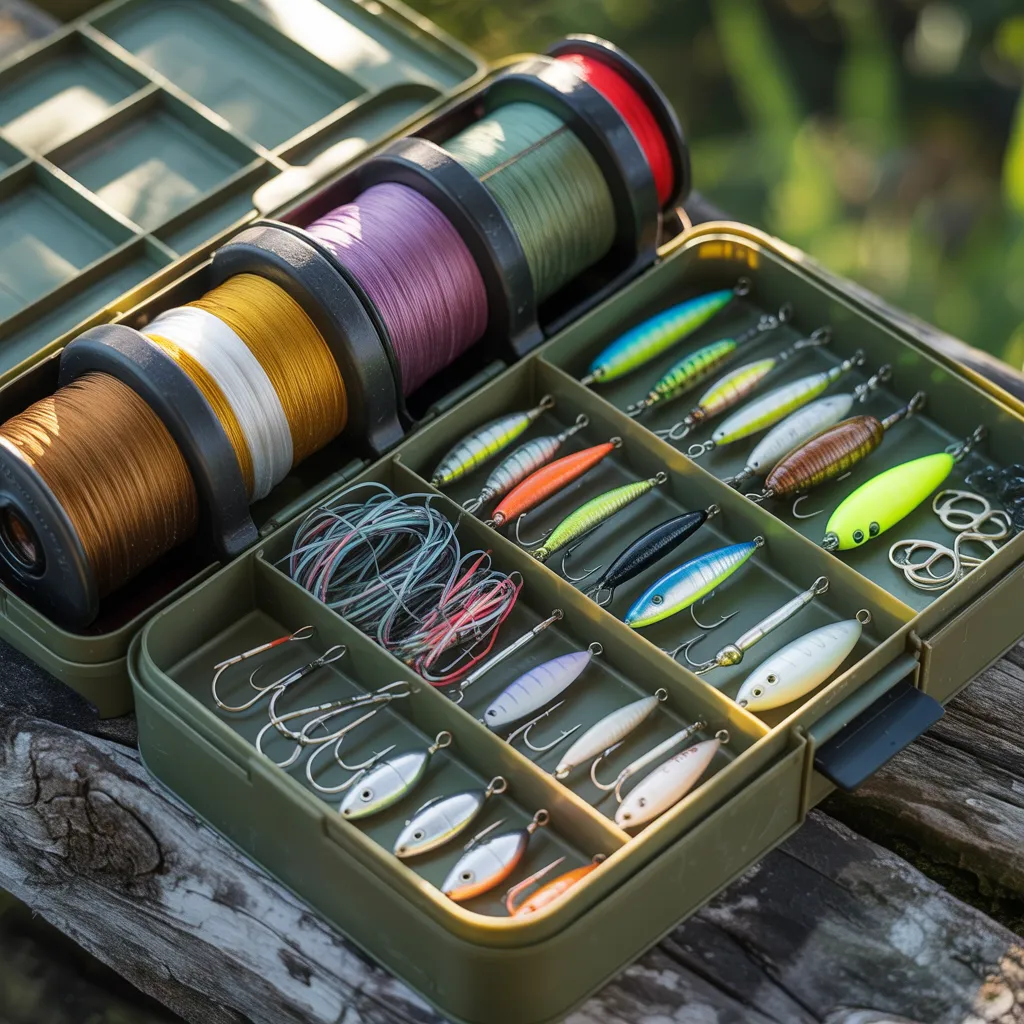
The Strengths of Using Transparent Fishing Line
When fishermen opt for transparent fishing line, they frequently gain benefits from its ability to stay hidden by fish. This trait enhances the odds of landing a successful catch, since fish are less prone to be alarmed by visible lines. Transparent lines harmonize with different water environments, whether clear or murky, enhancing the angler's stealth. Moreover, utilizing transparent fishing line can produce superior presentation of bait, allowing it to seem more natural to fish.
Additionally, these strands are commonly manufactured from robust components that withstand friction, making certain they can survive turbulent underwater situations. Their minimal visibility also improves superior casting accuracy, as anglers can focus on methodology without worrying about the line's visibility. Overall, the strengths of see-through fishing line make it a important selection for those looking for a more effective and discreet fishing experience.
What's the Best Way to Select Transparent Fishing Line for Your Needs?
How might an angler guarantee they opt for the suitable transparent fishing line? First, they should reflect on the line's makeup—monofilament, fluorocarbon, or braid—each extending unique benefits. Monofilament supplies stretch and straightforwardness, while fluorocarbon boasts concealment and abrasion resistance. Braid, while not clear, grants superior strength and sensitivity.
Next, an angler must evaluate the line's breaking strength, which should match the species being pursued. A greater test strength is vital for larger fish, while lighter lines are suitable for lesser species. Additionally, the fishing location plays a key role; clear waters may require finer lines for stealth, while rugged conditions may require stronger, more durable choices.
Conclusively, a sportfisher should appraise the line's circumference, knot reliability, and general elasticity. By accounting for these points, anglers can confidently determine the transparent fishing line best suited for their unique fishing conditions and techniques.
Advice for Correctly Winding and Preserving Your Line
Proper spooling and upkeep of transparent fishing line is necessary for getting the best results and extending longevity. Anglers need to begin by ensuring their reel is clean and free from debris before spooling. Winding the line onto the reel in the correct direction, corresponding to the reel’s rotation, is key to avoid twists. Keeping tension while spooling prevents loose coils that may cause tangles during use.
Regularly checking for abrasions or frays is essential for line durability. After each outing, washing the line with clean water can help remove salt or dirt, preserving its quality. Additionally, keeping the line in a cool, dry place away from sun exposure will prevent degradation. Changing the line regularly, especially after heavy use, guarantees peak performance and lowers the chance of failure. By following these recommendations, anglers can enhance their fishing experiences and prolong the lifespan of their transparent fishing line.
Mono versus Fluorocarbon Angling Lines
When comparing monofilament and fluorocarbon fishing lines, two key factors emerge: durability and strength, plus visibility and camouflage effects. Monofilament provides greater stretch and resilience, while fluorocarbon delivers excellent abrasion resistance and invisibility underwater. Comprehending these differences allows anglers choose the appropriate line for their conditions for fishing.
Strength And Durability Review
Considering the strength and toughness of monofilament and fluorocarbon fishing lines brings out distinct advantages for each category. Monofilament lines are well-known for their elasticity, offering excellent shock absorption during catches. This quality improves their performance in various fishing conditions but may increase their see here risk to abrasion. Conversely, fluorocarbon lines tend to be more solid and resistant to wear, making them advantageous for environments with sharp rocks or debris. They display superior knot strength and have lower stretch, which enables quicker hook sets. While monofilament is generally more cost-effective, fluorocarbon's durability and underwater invisibility often justify the additional expense. Ultimately, the choice between the two depends on specific fishing scenarios and personal preferences.
Visibility and Camouflage Effects
The concealment and visibility effects of monofilament and fluorocarbon fishing lines influence angler success significantly. Monofilament, colored and more visible in water, can deter wary fish often. Its floating ability makes it simpler for anglers to sense bites typically but may reduce stealth. In contrast, fluorocarbon lines are nearly invisible underwater due to their refractive index matching closely that of water. This trait improves concealment, rendering fluorocarbon the preferred option in clear waters or when pursuing skittish fish. However, the compromise lies in its rigidity, which can affect bait presentation. Ultimately, anglers must take into account these visibility considerations to choose the right line for specific fishing conditions, enhancing their chances of a successful catch.
Enhancing Accomplishment By Utilizing Transparent Fishing Line
Using clear angling line can dramatically increase the angler's accomplishment on the water. This type of line affords a significant superiority by curtailing the conspicuousness of the line to fish, making possible for more natural exhibits of baits and lures. Anglers can capitalize on this aspect to target skittish species that are prone to avoid brightly colored lines.
In addition, transparent fishing line performs well in diverse water settings, fitting in with both clear and murky environments. By adopting careful approaches, anglers can increase their chances of attracting fish without spooking them.
Furthermore, the line's toughness and resilience contribute to a fruitful fishing experience, facilitating anglers to withstand the difficulties of heavy cover and resistant species. Overall, utilizing transparent fishing line allows for a more discreet tactic, ultimately leading to higher catch rates and greater satisfaction during fishing outings.
Common Mistakes When Using Transparent Fishing Line
Many anglers fail to consider key factors when applying transparent fishing line, which reduces their effectiveness on the water. A common error is selecting the wrong line strength for particular fishing conditions, which may lead to line failure or reduced sensitivity. In addition, failure to adjust drag settings can result in lost catches as fishermen may not properly account for the line's reduced visibility.
One frequent error is omitting to inspect for line knots and twists, which can affect both presentation and functionality. Anglers frequently underestimate the importance of proper knot tying; weak knots can unravel readily under pressure.
Additionally, deploying overly extended leaders can hinder casting accuracy and alter the lure's performance. Ultimately, many anglers overlook habitat conditions, including water clarity and solar intensity, which can greatly determine the line's effectiveness. Through avoiding these issues, anglers can enhance their fishing pursuits and improve their success metrics.
Real-Life Success Stories From Anglers Using Transparent Line
Numerous success accounts are found among anglers who have successfully utilized the benefits of clear fishing line. One angler, John, reported remarkably increased catch rates after switching to a high-quality transparent line. He noted that the line's see-through nature permitted him to fish in heavily fished waters where visibility was essential.
In the same way, Sarah, a competitive angler, explained her background of using transparent line during a tournament. She credited her triumph to the stealthy nature of the line, which assisted her land multiple trophy fish that others battled to catch.
In one more instance, Mike, an avid fly fisherman, determined that using transparent line enhanced his presentations, resulting in more natural movements of his flies. Each of these anglers showed that transparent fishing line can boost fishing success by minimizing visibility and maximizing stealth, ultimately resulting in more rewarding fishing experiences.
Most Commonly Inquired Questions
Is Invisible Fishing Line Suitable for Saltwater Fishing?
Transparent monofilament can certainly be applied for saltwater angling. Its reduced visibility assists in evading detection by fish, making it a fitting selection. However, anglers should verify it has adequate strength and durability for saltwater settings.
How Long Does Transparent Fishing Line Typically Last?
Clear fishing line generally lasts for one to three years, subject to factors like sun damage, water environments, and frequency of usage. Periodic inspection and suitable storage can extend its lifespan significantly.
Can transparent fishing line be utilized for every type of fish?
Transparent fishing line is typically suitable for various fish species due to its low visibility. Nevertheless, specific conditions and types of fish may require varied line properties, making it essential to choose appropriately for intended fish.
Which Knot Is the Superior Option for Transparent Fishing Line?
For transparent fishing line, the Palomar knot is the top option, appreciated for its reliability and strength. It delivers a strong attachment, limiting the possibility of line breaking while preserving the line's hidden aesthetic during fishing.
Does Transparent Fishing Line Require Particular Preservation Guidelines?
Transparent fishing line demands cool, dry placement away from harmful sun rays to stop decay. Placing it in a protective container helps copyright its integrity and performance, providing maximum effectiveness when fishing and increasing its life span.